Door and Window Alarms for Dementia Patients
Wandering is one of the most stressful parts of caring for someone with dementia — and it can happen fast. You step out of the room for five minutes and they’re at the front door. Simple door and window alarms won’t solve everything, but they give you an extra set of ears. When a door opens, you know. That extra few seconds of warning is exactly what most caregivers are looking for.
Our Top Picks for Dementia Wandering Safety
What to Look for in a Door Alarm for Dementia Care
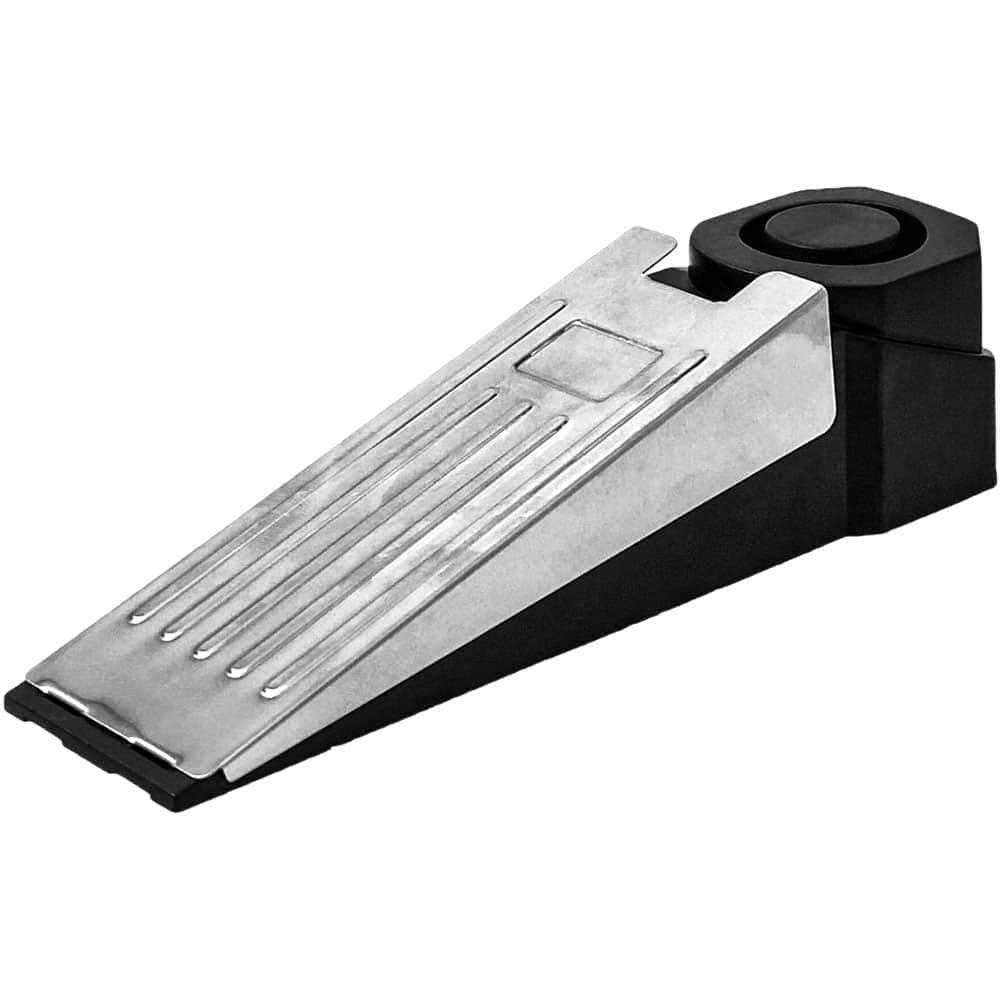
Loud enough to hear from another room. The whole point is that you get notified before a patient gets outside. Alarms rated 90dB or higher are generally audible from one or two rooms away. The 90db Magnetic Door/Window Alarm 2 Pack and the Door Stop Alarm both hit that range.
Simple installation — no tools or wiring. Most caregivers aren’t electricians, and that’s fine. The best options here use adhesive mounting strips or wedge under the door. No drilling, no running wires, no professional install needed.
Hard to disable accidentally. Some patients with dementia are still fairly dexterous. A switch-based alarm on the door surface is easy to find and turn off. Door Stop Alarm and magnetic models are harder to locate and tamper with.
Battery-powered with long life. Corded alarms create tripping hazards and require outlet proximity. Battery-powered units like the 90db Magnetic Door/Window Alarm 2 Pack can go months without a battery change and install anywhere.
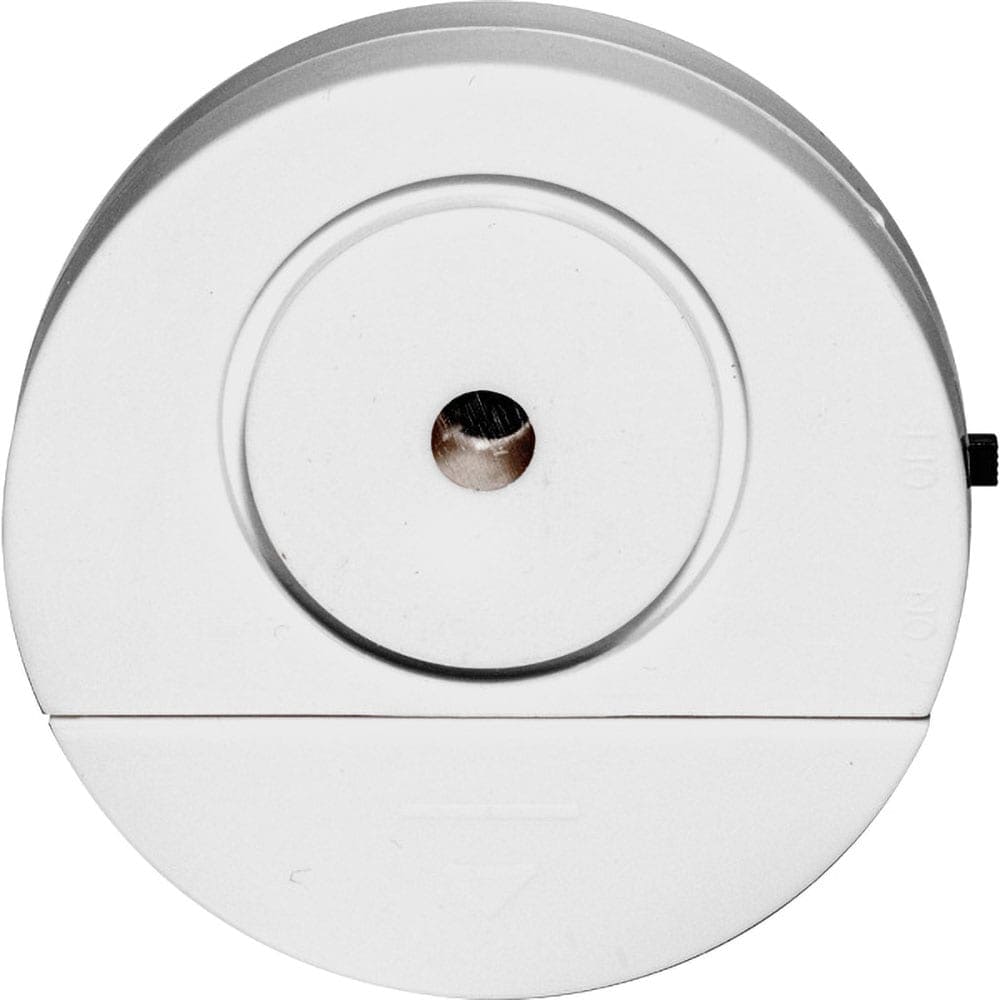
Multi-door coverage at low cost. Most homes have more than one exit. Two-packs give you front and back door coverage without doubling the budget. If you also need window coverage, the Glass Break Alarm 100dB 2 Pack is an affordable add-on.
How to Use Door Alarms Effectively in Dementia Care
Cover every realistic exit. Front door, back door, garage entry, and any sliding glass doors. Patients often find the path of least resistance, which may not be the front door. Two-packs let you cover multiple points without a big investment.
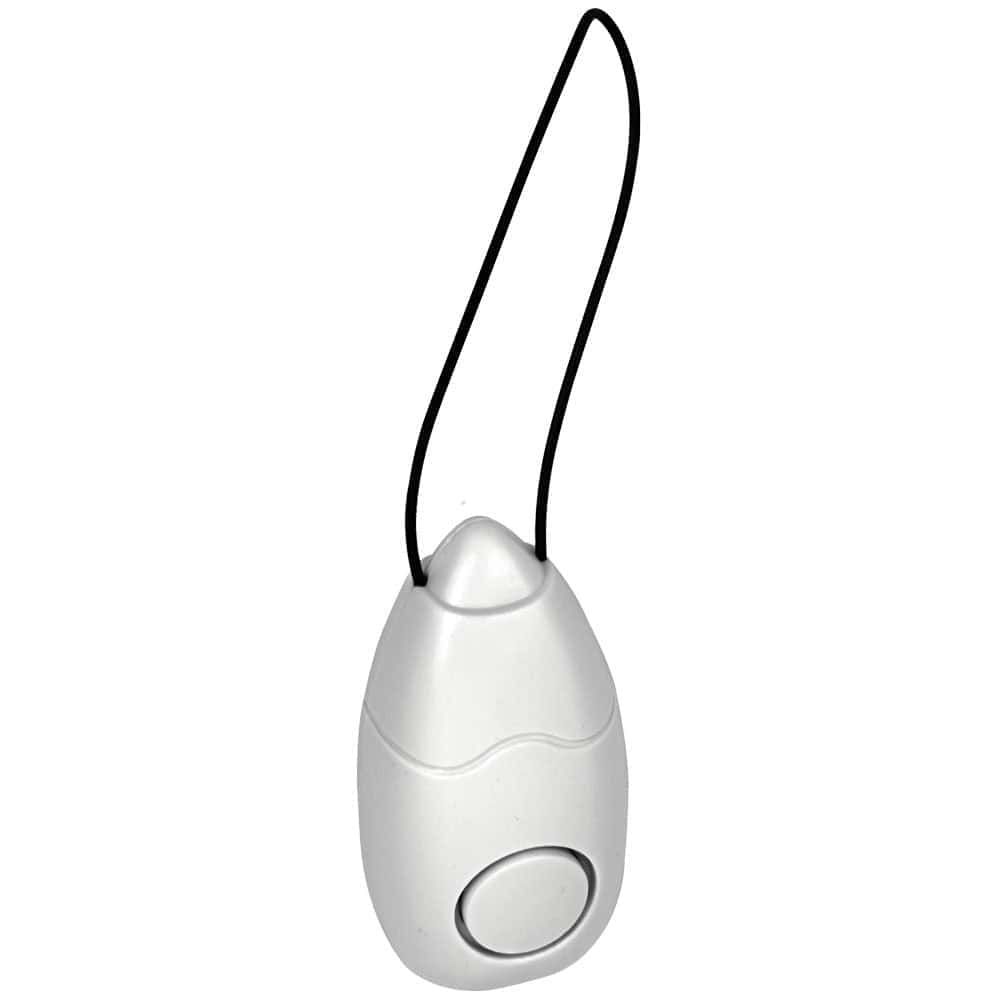
Pair door alarms with personal alarms when possible. A door alarm tells you a door opened. A personal alarm on the patient tells you where they are if they do get outside. Both together give you the best response window.
Check batteries monthly. Set a reminder on your phone. A dead battery in a door alarm is worse than no alarm at all — you’ll think you’re covered when you’re not. Most of these units take standard batteries available at any grocery store.
Don’t rely on alarms alone. Door and window alarms are one layer of a safety plan, not the whole plan. Door knob covers, chain locks placed high on the door, and routines all work together. The alarm is your backup when those other measures don’t hold.
Frequently Asked Questions
A: Possibly, depending on where they sleep relative to the door. For nighttime use, you might position the alarm so it’s audible to the caregiver but not immediately beside the patient’s bedroom. Some caregivers use the alarm sound as intended — it alerts everyone in the house, which can itself deter the patient from continuing. Most units let you test the volume before committing to a placement.
A: It depends on the stage of the disease and the design of the alarm. Simple on/off switches on the door surface are more likely to be discovered than magnetic sensors or door wedges. The Door Stop Alarm is particularly hard to disable because it’s on the floor and doubles as a physical barrier. No alarm is foolproof, but they significantly improve response time in most wandering situations.
A: For home use, there are generally no restrictions on installing door and window alarms to protect a family member. Regulations around wandering safety are more relevant in licensed memory care facilities. For your specific state’s rules or for facility settings, check our Laws & Restrictions page at https://stunmaster.com/law-and-restrictions/ for general reference, and consult local elder care guidelines for facility-specific requirements.
A: A full security system calls a monitoring center — useful for break-ins, less relevant for wandering. Door and window alarms for dementia care are designed to alert the caregiver immediately in the home, not to contact outside services. They’re simpler, cheaper, and you don’t pay monthly monitoring fees. The 90db Magnetic Door/Window Alarm 2 Pack, for example, is a one-time purchase with no subscription.
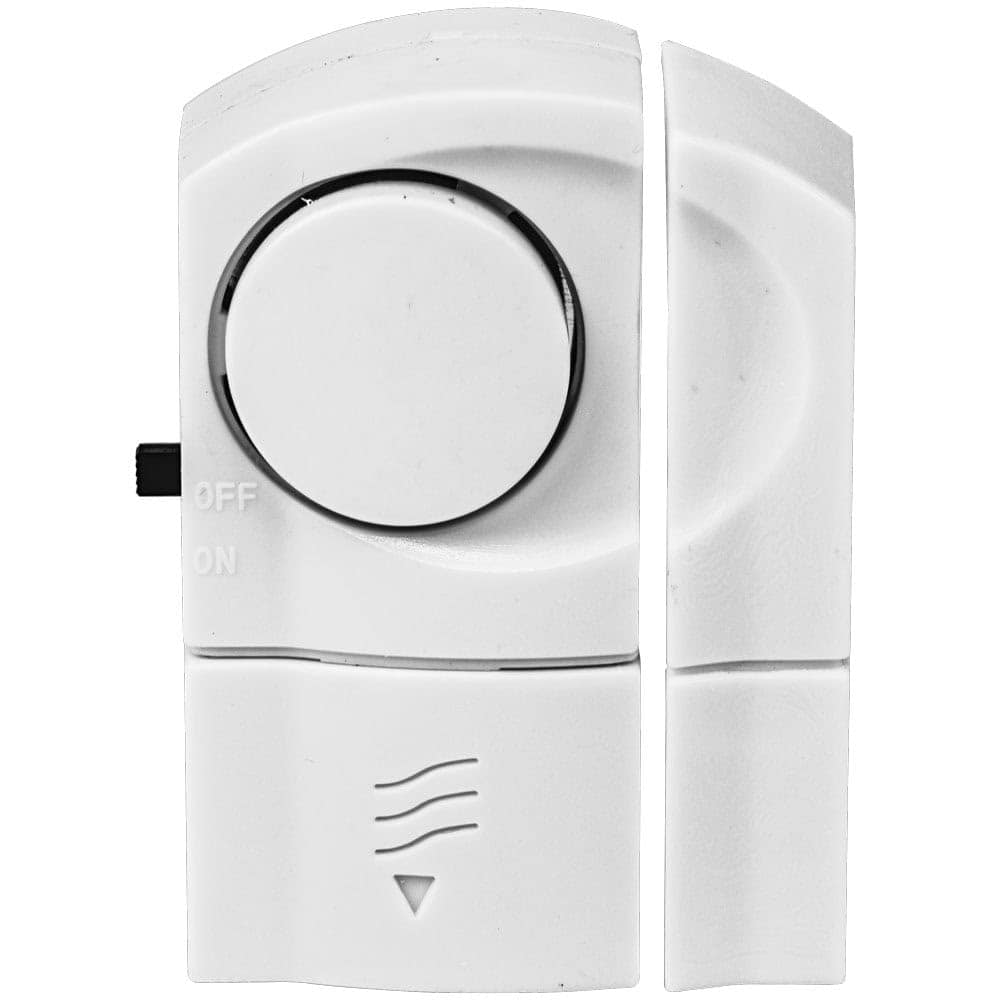
A: These units use adhesive backing — similar to the strips used for command hooks. They stick cleanly to most door frames and don’t require drilling. They can be removed without damage if you’re renting or want to reposition them. Let the adhesive set for 24 hours before testing for best hold. Clean and dry the surface first for the strongest bond.
Not Sure Which Door Alarm Is Right for Your Situation?
Give us a call at 800-859-5566 — we can walk you through the options and help you figure out what makes sense for your home setup.
Shop All Door & Window Alarms