
Personal Alarms for Women
A personal alarm is one of those things you carry hoping you never use it — but when you do need it, you want it to be fast, loud, and impossible to ignore. Whether it’s a late-night walk to the car, a solo run, or just the general background reality of being a woman in public, having something on your keychain that can cut through ambient noise in under a second is just practical. Here are four worth having.
Our Top Personal Alarms for Women


What to Look for in a Personal Alarm for Women
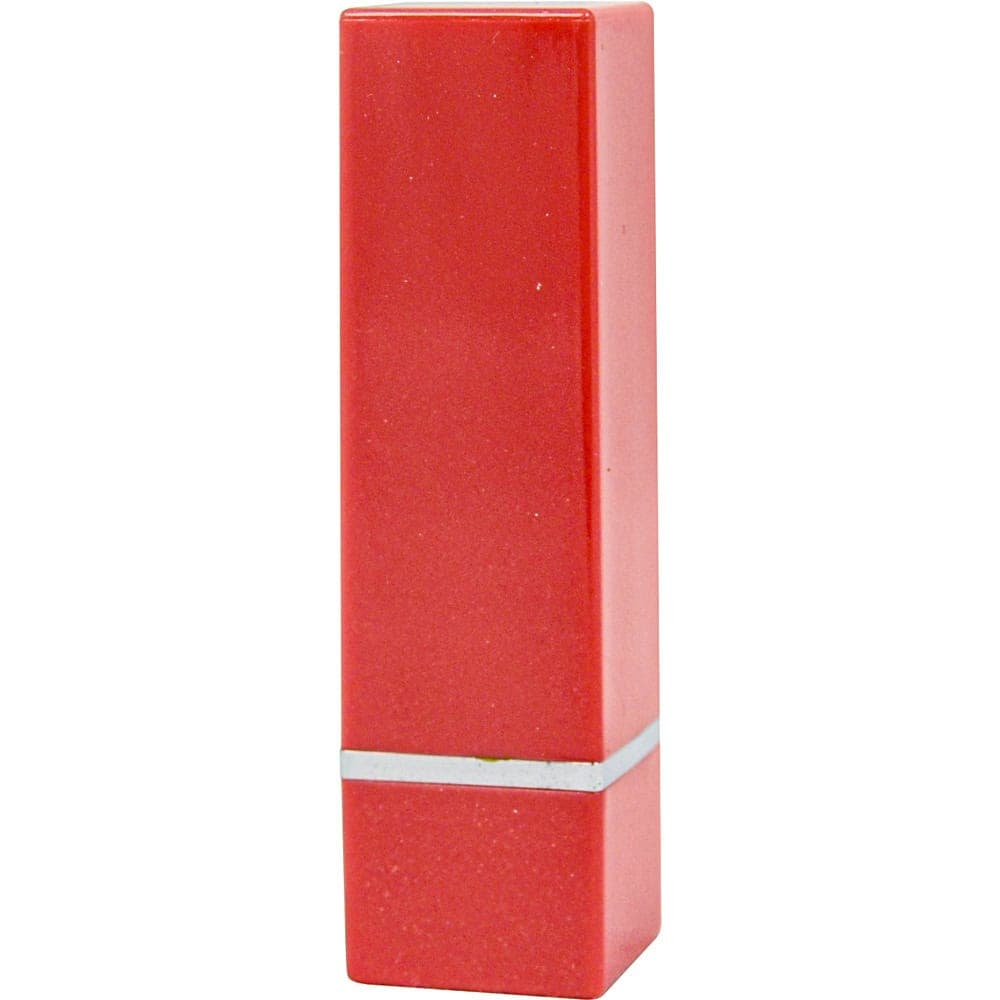
Ease of carry. An alarm you leave at home because it’s bulky or annoying to carry is useless. Keychain alarms are ideal because they attach to what you’re already carrying. The Lipstick Alarm is another option — it goes in a purse or pocket and nobody gives it a second look.
Loud enough to matter. 130 decibels is the standard you want — about as loud as a jet engine at distance. That volume will attract attention from people nearby and cause most people in close proximity to react immediately. Anything under 120dB starts to feel underpowered in outdoor settings with ambient noise.
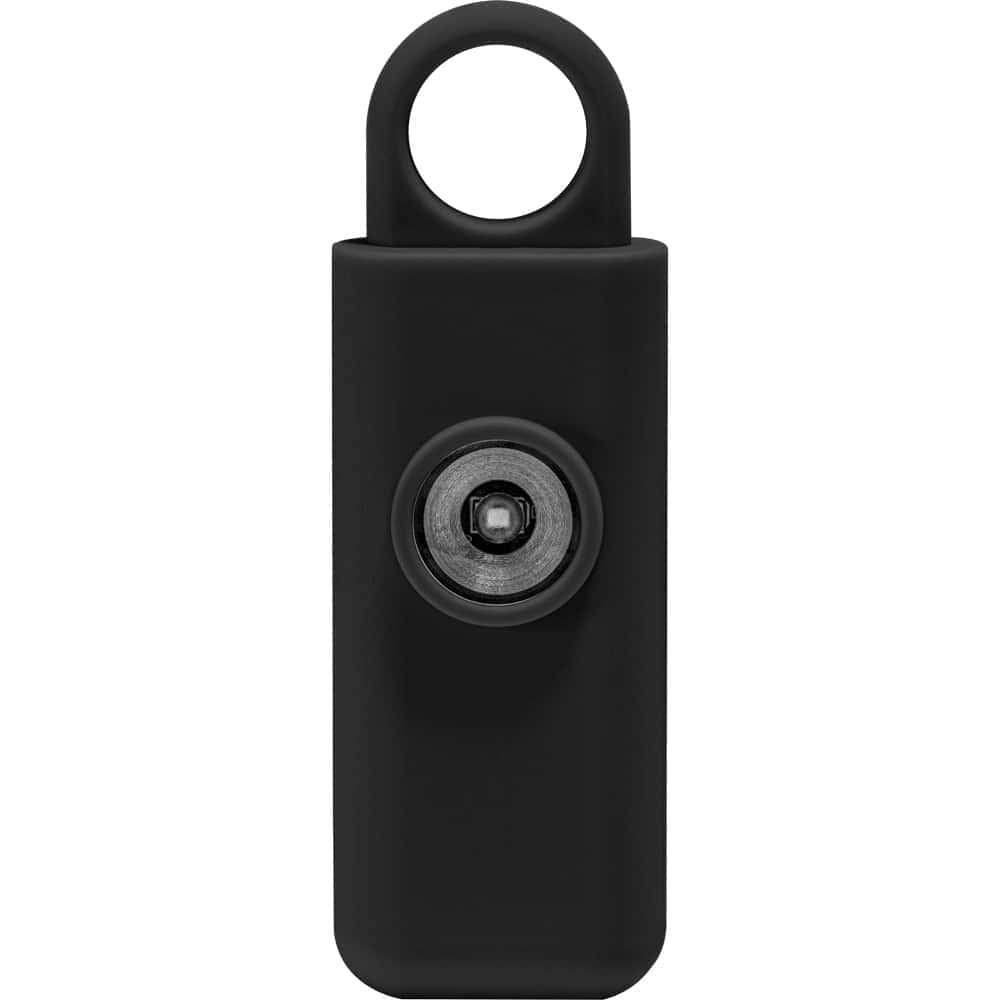
Fast and intuitive activation. Under stress, motor skills aren’t at their best. Pull-pin designs are the most reliable since any direction of pull triggers the alarm — you don’t have to aim at a button or find a switch. The Keychain Alarm with Light and 3in1 model both use this approach.
Discreet appearance. The Lipstick Alarm is worth mentioning here — it looks like something that belongs in a bag, which means it doesn’t broadcast “security device” to anyone who glances at your belongings. That’s a small thing but it matters in some situations.
Optional extras. A built-in light is genuinely useful — most of the situations where you’d want an alarm are also situations where better visibility helps. The Personal Panic Alarm adds a strobe light on top of the siren, which can disorient someone in a dark setting as well as attract attention from farther away.
How to Carry and Use a Personal Alarm
Keep it on your keychain or in your hand. The keychain is the best default location — it goes wherever your keys go, and you’re already holding your keys when you need protection most (walking to your car, unlocking your door). The Keychain Alarm with Light is built for exactly this setup.
Know your activation method before you need it. Practice once or twice with a new alarm — not to the point of being paranoid about it, just enough to have the muscle memory. For pull-pin alarms, a quick tug in any direction sets it off. For button alarms, know which button it is and roughly where it sits in your hand.
Don’t wait to activate it. A personal alarm is most effective before a situation fully escalates. If something feels wrong, the alarm can disrupt the situation before it develops. You’re not obligated to wait until you’re certain you’re in danger — a false alarm is far preferable to the alternative.
Consider one for your bag and one on your keys. At these prices, redundancy makes sense. Keep a Lipstick Alarm in your everyday bag and a keychain alarm on your keys — they serve slightly different access scenarios, and having both means you’re covered regardless of which one you can reach first.
Frequently Asked Questions
A: Most of the alarms on this page output 130 decibels, which is the effective upper range for personal alarms without requiring batteries or components that add bulk. The Personal Panic Alarm 130dB and Strobe combines the audio output with a visual strobe, which adds a secondary deterrent beyond just the sound.
A: Personal alarms have no legal restrictions in the United States — no permits, no age requirements, and no prohibited locations as a category. They’re not weapons, they produce no physical harm, and they’re permitted on planes, in schools, and anywhere else you can think of. See our Laws & Restrictions page at https://stunmaster.com/law-and-restrictions/ for general reference.
A: They serve different purposes and work best together. A personal alarm draws attention and can disrupt a threatening situation — it’s passive in the sense that you’re not deploying anything at a person. Pepper spray is an active deterrent that incapacitates. If you’re in a situation where you can’t spray — wrong wind direction, confined space, uncertainty about the threat — an alarm is always a valid tool. Many women carry both.
A: On your keychain is the most reliable method for most women — you’re already holding your keys in most high-risk moments (walking to your car, approaching your front door). The Lipstick Alarm is a good supplemental option that lives in your bag. The key is making sure you know exactly where it is and can reach it without searching.
A: Standard-battery personal alarms hold their charge for a year or more in standby condition since they’re not drawing power until activated. Replace the battery annually as a habit — the same way you’d handle smoke detectors. Rechargeable alarms exist, but standard batteries are more reliable in a travel or carry context since you’re not dependent on having a charger.
Not Sure Which Alarm Is the Right Fit?
We're happy to help — give us a call at 800-859-5566 and we'll point you in the right direction.
Shop All Personal Alarms