
Pepper Spray for Hiking & Camping
Most trails are perfectly fine. But dogs charge, wildlife gets too close, and sometimes you run into people you’d rather not. A can of pepper spray on your pack strap or hip belt is one of those things you barely notice until you actually need it. The options on this page cover the two main situations hikers and campers face — bear country and everything else — so you can pick what fits where you’re headed.
Our Top Picks for Hikers and Campers

What to Look for in a Pepper Spray for Hiking and Camping
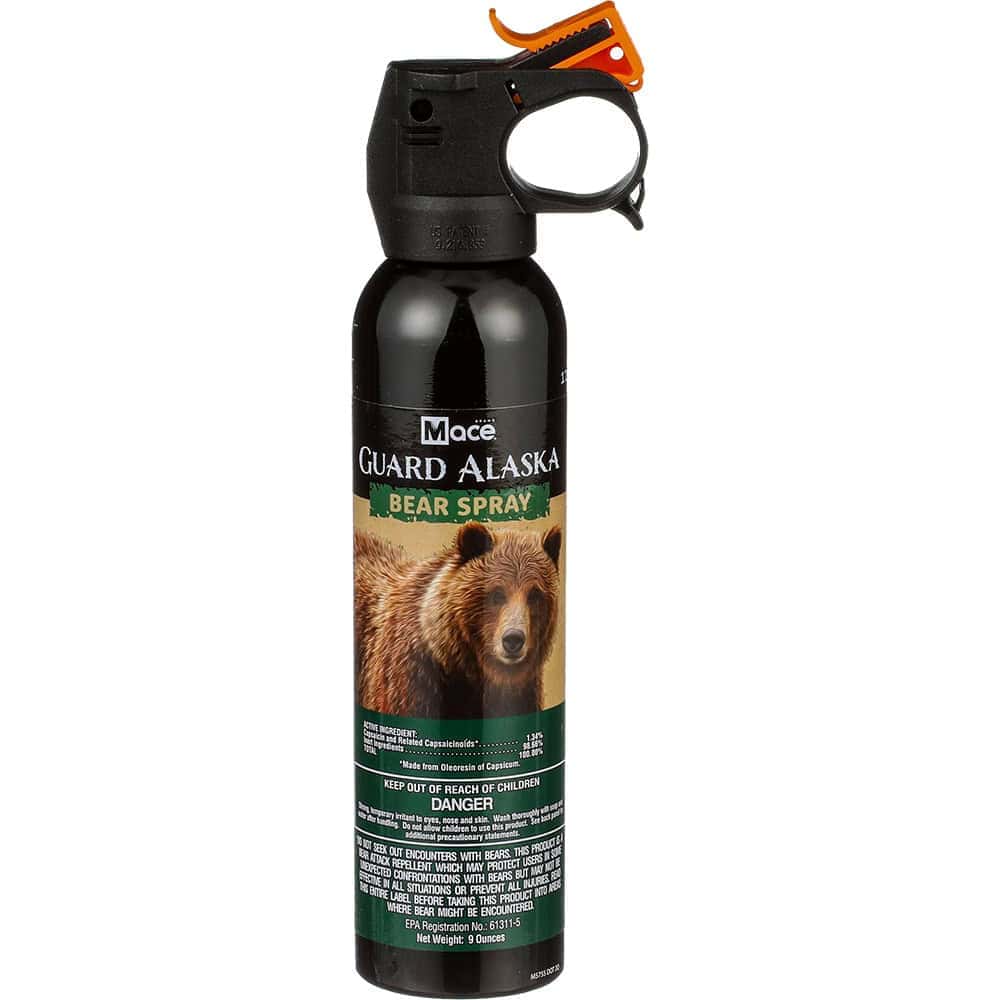
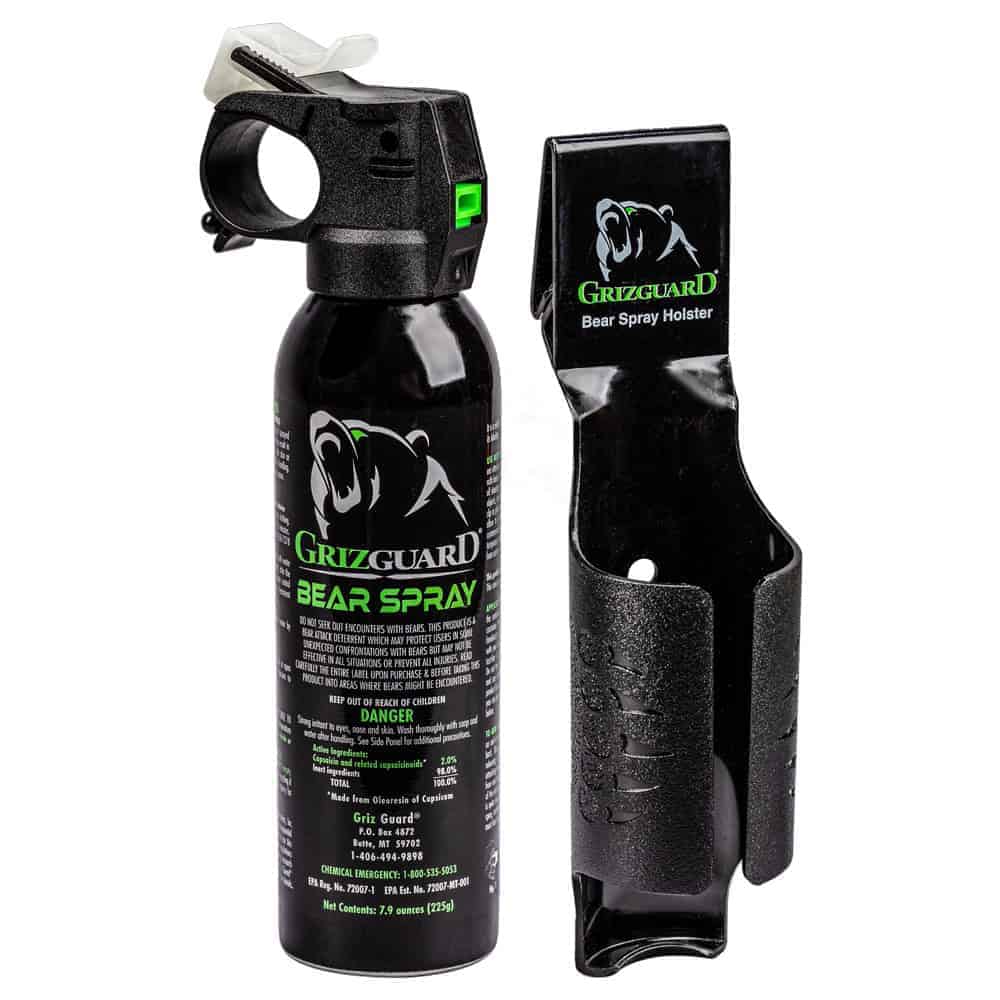
Bear spray vs. personal pepper spray. These are two different products for two different threats. Bear spray like Guard Alaska® and GrizGuard is EPA-registered, uses a larger canister with a wider spray cloud, and is specifically designed to deter charging bears at distances of 20–30 feet. Personal pepper spray — like the Mace® Jogger or Wildfire™ Fogger — is made for close-range human or dog encounters. If you’re in grizzly or black bear country, bring bear spray. If you’re on a suburban trail worried about aggressive dogs or strangers, a personal spray works fine. Many backcountry hikers bring both.
Spray pattern for outdoor use. Outdoors, a fogger or wide-cone pattern is generally more forgiving than a stream — moving targets are harder to aim at precisely. The Wildfire™ Fogger releases a cloud rather than a line, which increases your chances of contact in a fast-moving situation. Bear sprays are specifically engineered for wide dispersal at distance.
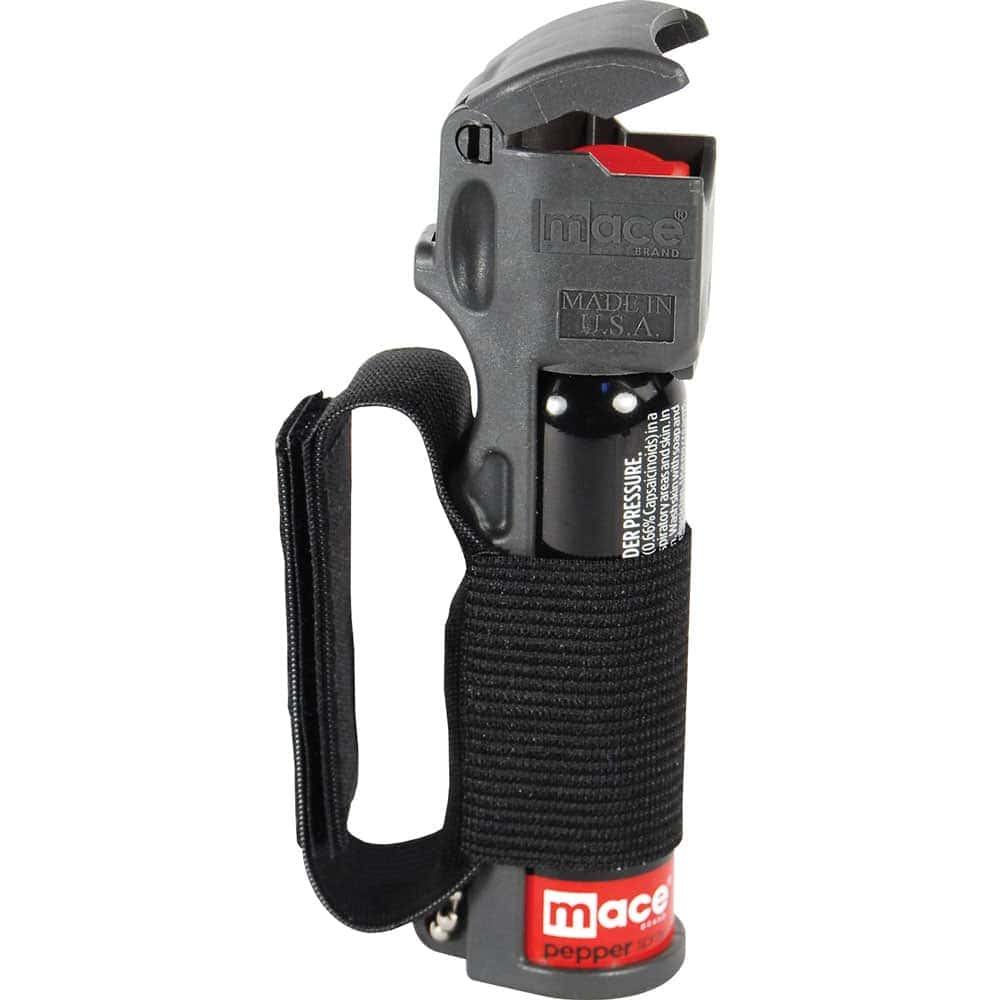
Carry method on the trail. Accessibility matters more on a trail than anywhere else — if it’s buried in your pack, it’s not useful. Look for holster-compatible canisters, hip belt clips, or hand-strap designs like the Mace® Pepper Spray Jogger. Bear spray should ride in an external holster on your hip or chest strap, not inside your bag.
Canister size and spray duration. Larger canisters mean more total spray time, which matters with bear spray — you want multiple bursts available, not just one. The Guard Alaska® 9 oz canister gives you meaningful volume. Personal sprays don’t need to be large; compact is better for daily trail carry.
Wind and blowback. Always be aware of wind direction before deploying any spray outdoors. Foggers and bear sprays are more susceptible to blowback than stream patterns. A side wind or headwind can redirect spray toward you. Position yourself upwind when possible before deploying.
How to Carry and Use Pepper Spray on the Trail
Bear spray goes on the outside of your body — hip holster, chest strap, or shoulder strap — never inside your pack. If a bear charges, you will not have time to dig for it. Practice the draw motion before your trip so it’s automatic. Remove the safety clip when you’re in active bear habitat, not after you see something.
For personal pepper spray on day hikes and trails, the Mace® Jogger’s hand strap is one of the better carry solutions — it keeps the canister in your hand without gripping it constantly. A hip belt clip works well too. The goal is instant one-motion access, not two-handed fumbling.
Know your effective range before you’re in a situation. Bear sprays are designed for 20–30 feet. Personal sprays vary by pattern — streams reach further, foggers are closer range. Don’t wait until something is on top of you; deploy early and create distance.
Check your canister before every trip. Pepper spray and bear spray both lose pressure over time. Shake it, check the gauge if it has one, and verify the expiration date. A flat canister in bear country is worse than no canister at all because it gives you false confidence.
Frequently Asked Questions
A: No — bear spray and personal pepper spray are different products. Bear spray like Guard Alaska® is EPA-registered specifically as a bear deterrent, uses a larger canister, and deploys a wide cloud at distances up to 30 feet. Personal pepper spray is designed for close-range use against humans or dogs. Both use OC (oleoresin capsicum) as the active ingredient, but the delivery, concentration limits, and canister sizes are different. In bear country, bring bear spray. On a suburban trail, personal pepper spray is usually sufficient.
A: Bear spray is permitted — and actually recommended — in most U.S. national parks. Personal pepper spray rules vary by park and intended use. Both are subject to state laws where the park is located. Regulations can change, so check with the specific park before your trip. For a general overview of state-by-state restrictions, see our Laws & Restrictions page at https://stunmaster.com/law-and-restrictions/.
A: Bear spray should always be carried on the outside of your body — a hip holster, chest strap, or shoulder strap are the standard options. Never put it inside your pack. In a charge situation you will have seconds, not time to dig through gear. Practice drawing and removing the safety clip before your trip so the motion is automatic. When you’re in active bear habitat, consider removing the safety clip entirely and carrying it in your hand for the most exposed sections of trail.
A: Yes — OC pepper spray is effective on dogs. The Mace® Pepper Spray Jogger and Wildfire™ Fogger both work for this situation. A fogger pattern is particularly useful against a charging dog because it creates a cloud the animal runs into rather than requiring precise aim. Deploy early, before the dog closes the distance. Most aggressive dog encounters on trails involve off-leash dogs, so awareness and early deployment are your best tools.
A: Most bear sprays have a shelf life of 3–4 years from the manufacture date, which is usually printed on the canister. After expiration, the propellant pressure may drop, reducing spray distance and effectiveness. Check the date before every season and replace expired canisters — it’s a small cost compared to what you’re relying on it for. Store bear spray in a cool, dry place away from direct heat; high temperatures can increase canister pressure and cause leaks.
Not Sure Which Spray Is Right for Your Trip?
Give us a call at 800-859-5566 — we can help you figure out whether you need bear spray, personal pepper spray, or both, based on where you're headed.
Shop All Pepper Spray