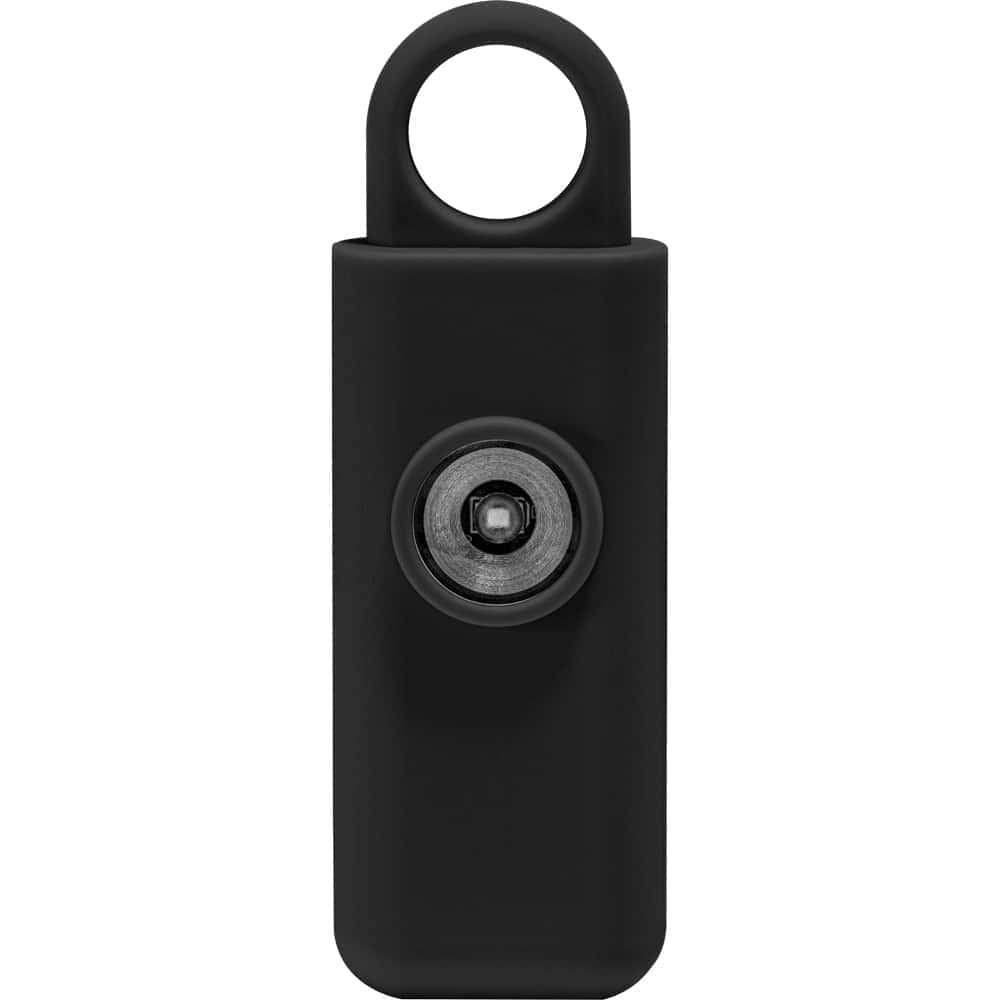
Personal Alarms for Runners
Running solo is one of those activities where you’re probably fine — until you’re not. Whether you’re dealing with an aggressive dog, a sketchy stretch of trail, or someone who makes your instincts fire, having a 130dB alarm clipped to your gear changes the math pretty quickly. The whole trick with running alarms is that they need to actually come with you on every run, which means they have to be lightweight, easy to carry, and simple to use while you’re already moving. Here’s what fits the bill.
Top Personal Alarms for Running and Jogging
What to Look for in a Running Personal Alarm
Lightweight design. You don’t want to notice it while you’re running. The Mini Personal Alarm with LED and Belt Clip is among the smallest options available and clips directly to waistbands, running vests, or bag straps without adding meaningful weight.
Hands-free carry method. Holding something in your hand for a 5-mile run isn’t practical. A belt clip, carabiner, or keychain loop that attaches securely to your gear lets you forget it’s there until you need it. Both the Mini Alarm and Keychain Alarm with Light include attachment hardware for this purpose.
One-motion activation. While running, you don’t want to deal with safety switches, button sequences, or anything requiring two hands. Pull-pin alarms activate in a single motion — any direction of pull works — which is the most reliable option when you’re in motion and possibly under stress.
Volume in outdoor settings. Outdoor ambient noise — traffic, wind, other people — means you need genuine volume. 130dB is the standard worth looking for. That’s the output of the Keychain Alarm with Light, the Mini Alarm, the 3in1, and the Personal Panic Alarm — all four on this page.
Visibility features. Early morning and evening runs mean low light. The Personal Panic Alarm adds a strobe on top of the siren, which helps attract attention from vehicles and pedestrians at a distance. The built-in LED on the Mini Alarm and Keychain Alarm also serves as a flashlight for dimly lit paths.
How to Carry and Use a Running Alarm
Clip it to your waistband before you head out. The Mini Personal Alarm with Belt Clip is designed for this — attach it before you start and it stays put through the whole run. The clip is sturdy enough to handle movement without bouncing loose.
Attach a keychain alarm to your running vest or bag. If you run with a small pack or vest, a carabiner-style keychain alarm clips directly to the strap. It’s at your shoulder, within reach whenever you need it, and doesn’t interfere with your stride.
Keep the pin loop around your wrist. For pull-pin alarms, wrapping the wrist loop around your hand means the alarm will trigger automatically if the device is grabbed or pulled away from you — that’s actually the intended design. It’s a passive layer of protection that doesn’t require any deliberate action on your part.
Use the strobe feature on low-visibility routes. If you run before sunrise or after sunset, the Personal Panic Alarm’s strobe light makes you more visible to drivers in addition to its deterrent function. Combine it with reflective gear for early morning routes on or near roads.
Frequently Asked Questions
A: A belt clip or carabiner attachment is the most practical for running — it keeps the alarm accessible without requiring you to hold it. The Mini Personal Alarm with LED flashlight and Belt Clip is specifically designed for this. Keychain alarms work well clipped to running vest straps or attached to a small running pack.
A: A 130dB alarm is loud enough to startle most dogs and often causes them to stop or retreat. It’s not a guarantee, but the sudden, sharp noise is a meaningful deterrent. Many runners use a personal alarm as their first response to an aggressive dog — it’s fast to deploy and doesn’t require getting close to the animal.
A: Yes, personal alarms are legal everywhere in the United States with no restrictions on parks, trails, or public spaces. They’re non-weapon safety devices requiring no permits. For general reference on self-defense product laws, see our Laws & Restrictions page at https://stunmaster.com/law-and-restrictions/.
A: It depends on where and when you run. A personal alarm is excellent for drawing attention, scaring off dogs, and disrupting threatening situations. Pepper spray adds an active deterrent that works at distance. Many runners carry both — the alarm on their vest and a compact pepper spray in a running belt. For trail running in isolated areas, having both options is worth considering.
A: Pull-pin alarms are the safest option for active use because they require a deliberate pulling motion to activate — normal running movement won’t trigger them. Button-style alarms sometimes have a safety switch or recessed button to prevent accidental activation. Check the design of whichever alarm you choose and test it before your first run with it.
Questions About Running Safety Gear?
We're always happy to help — give us a call at 800-859-5566 and we'll walk you through the options.
Shop All Personal Alarms