
Personal Alarms for Travelers
Traveling solo — especially internationally or in unfamiliar cities — tends to make you think about things you wouldn’t bother with at home. A personal alarm is the kind of travel safety item that requires zero planning at the airport, no permits in any U.S. state, and nothing that could get flagged by security. It’s light, takes up no meaningful space in a bag, and works the same whether you’re in a hotel corridor in Chicago or a side street in Barcelona. Here are the ones worth considering.
Our Picks for Travel Personal Alarms


What to Look for in a Personal Alarm for Travel
TSA compatibility. Personal alarms are not restricted items under TSA guidelines — they’re non-weapon noise devices. They can be packed in carry-on or checked bags. Unlike pepper spray, which has restrictions on planes, there’s no need to think twice about packing an alarm for any flight.
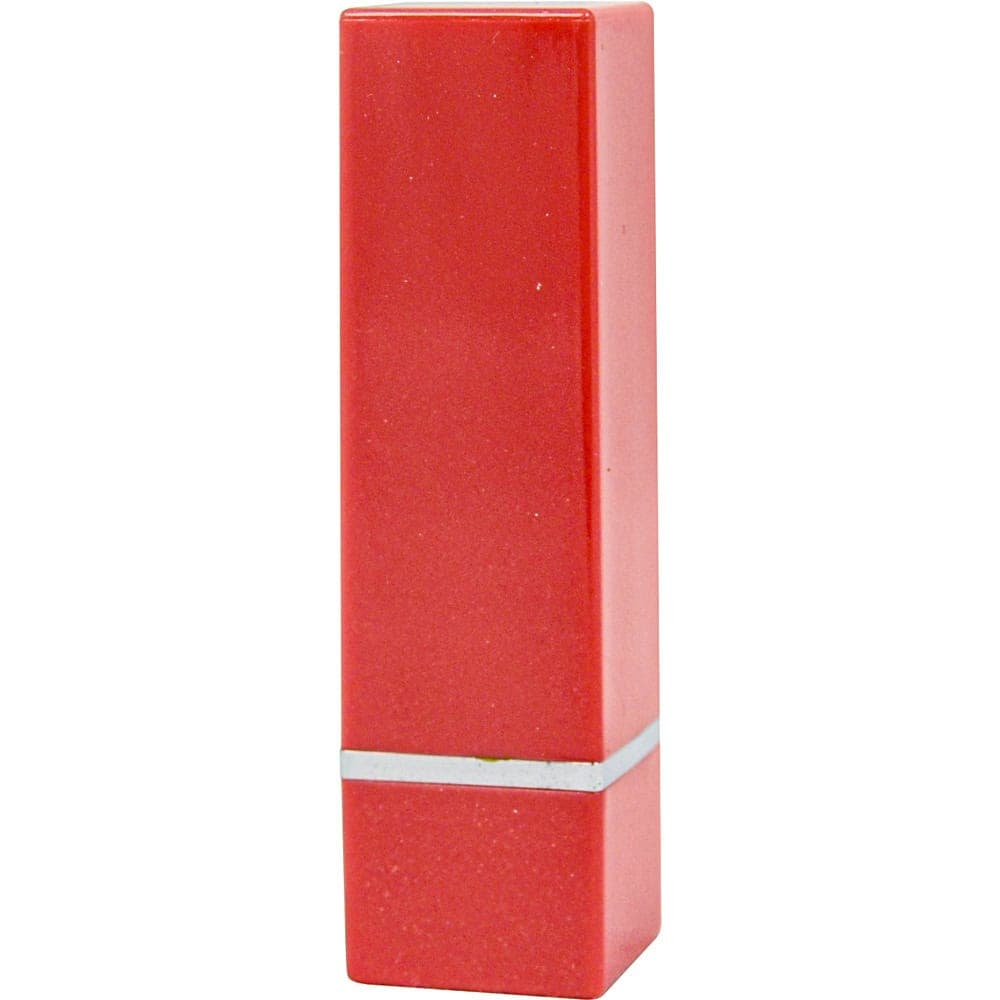
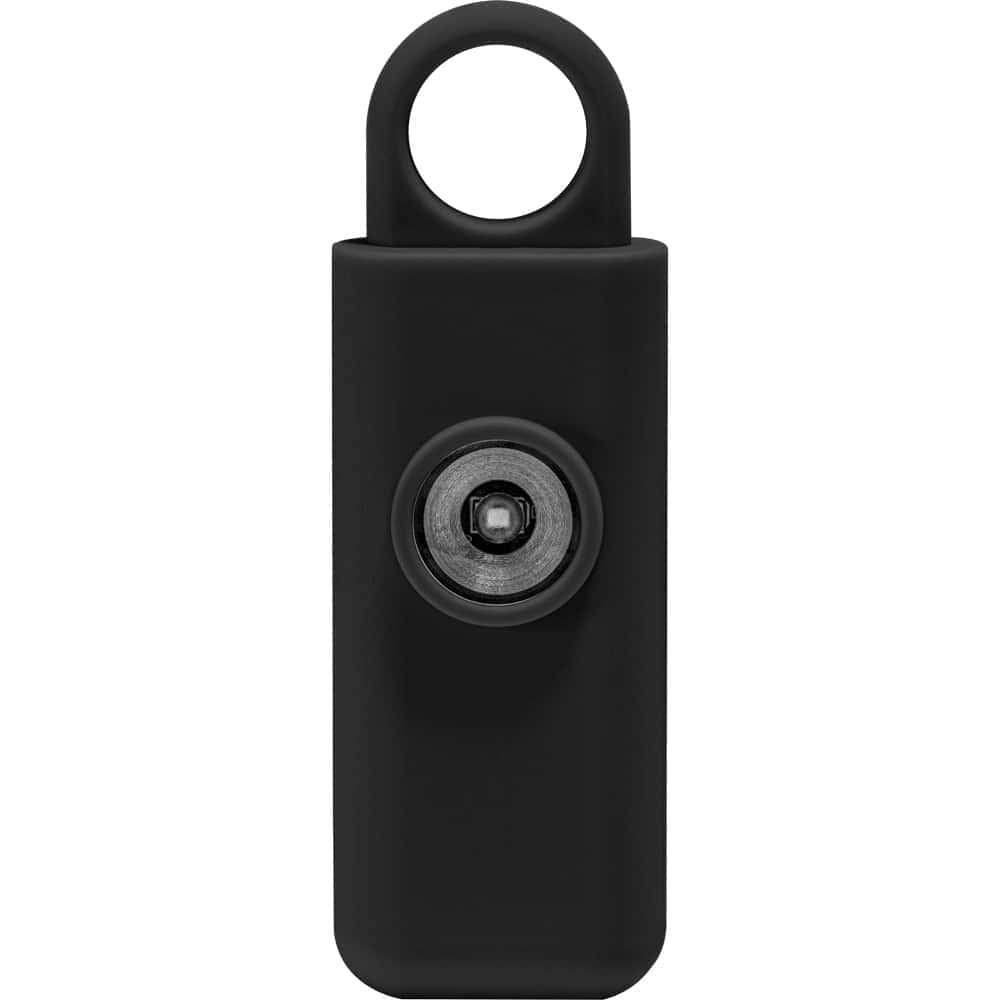
Compact size and light weight. Travel gear is all about weight and space. The Keychain Alarm with Light and Lipstick Alarm are among the smallest options available — they add essentially nothing to a bag and can be moved easily between a day pack, carry-on, and jacket pocket depending on what you need.
Dual-purpose capability. The 2n1 Personal & Burglar Alarm is worth singling out for travel specifically because it functions as a hotel door alarm. Hang it on your hotel door handle at night — it alerts you if the door is opened, and it can also be carried during the day as a standard personal alarm.
Battery type for long trips. Standard-battery alarms are more travel-friendly than rechargeable ones because you can replace batteries anywhere in the world — no proprietary charger required. All four options here run on replaceable batteries.
Discreet carry. In some travel contexts, you don’t want safety gear to be visible — either for personal preference or because the local environment makes you prefer not to attract attention. The Lipstick Alarm sits in a purse or bag without looking like a security device to anyone who sees it.
How to Use a Personal Alarm When Traveling
Attach one to your day bag or travel pack. A keychain alarm clips to a bag strap or zipper pull and travels with you through every activity of the day. You’re not carrying a separate item — it’s just there as part of your bag.
Use the 2n1 as a hotel door alarm every night. This is one of the most underused travel security habits. The 2n1 hangs on any door handle and triggers a loud alarm if the door opens. It doesn’t require installation and it comes back off in seconds when you check out. Hotel door security varies widely — this adds a layer that’s completely within your control.
Keep one accessible in your pocket or purse during transit. Airports, train stations, and transit hubs are high-density environments where incidents can happen quickly. Having your alarm in a jacket pocket or at the top of a bag rather than buried inside it means you can reach it without rummaging.
Know the activation method before you travel. Test your alarm at home before you leave so you know exactly how it works. Pull-pin alarms are the simplest and most reliable for travel since any direction of pull triggers them — no buttons to find in the dark.
Frequently Asked Questions
A: Yes. Personal alarms are not restricted items under TSA guidelines and can be packed in either carry-on or checked luggage. They’re noise-producing devices, not weapons, and don’t trigger any special screening requirements. This is one of the reasons travelers prefer alarms over other safety tools — they go anywhere without hassle.
A: The 2n1 Personal & Burglar Alarm functions as both a personal alarm and a door alarm. Hang it on your hotel door handle at night — it triggers if the door is opened while you’re sleeping. For the door to a balcony, sliding door sensor alarms serve a similar purpose. Having even one layer of noise protection in an unfamiliar room tends to make for a better night’s sleep.
A: Personal alarms are legal personal safety devices in the United States with no restrictions. International laws vary by country — most countries permit them, but we can’t speak to every jurisdiction. For U.S. reference on personal security product laws, see our Laws & Restrictions page at https://stunmaster.com/law-and-restrictions/. When traveling internationally, check local regulations on personal safety devices.
A: A personal alarm is carried and activated by the user to attract attention in a threatening situation. A door alarm attaches to a door and triggers automatically if the door opens. The 2n1 Personal & Burglar Alarm does both — it’s a versatile travel option since it covers your hotel room at night and works as a personal alarm during the day.
A: Most seasoned travelers layer their safety tools. A personal alarm handles situations where noise and attention are your best tools — busy public spaces, corridor incidents, or situations where drawing people’s attention quickly matters most. Pairing it with a diversion safe for your valuables and basic situational awareness covers most common travel security scenarios without adding significant weight or complexity.
Questions About Travel Safety Gear?
Give us a call at 800-859-5566 — we're happy to help you put together what makes sense for your trip.
Shop All Personal Alarms