Knives for Everyday Carry
A good everyday carry knife is one of those tools you use more than you expect — cutting open packages, breaking down cardboard, slicing fruit at work, clipping a loose thread. It’s not dramatic, it’s just useful. The right one is slim enough to forget it’s in your pocket, opens one-handed, and holds an edge long enough to actually be worth carrying. That’s the whole criteria. Everything else is just preference.
Our Top Picks for Everyday Carry Knives
What to Look for in an Everyday Carry Knife
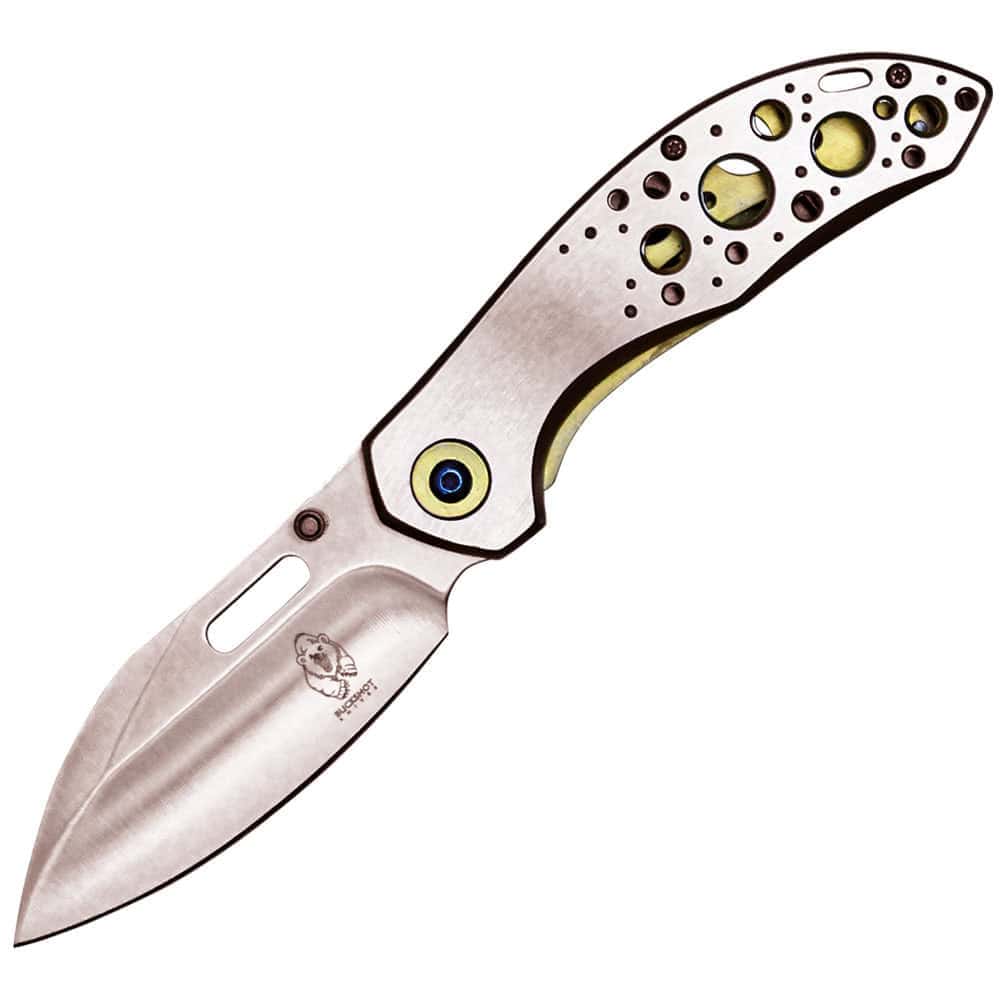
Slim enough that you actually carry it. The best EDC knife is the one you have with you. A thick, heavy folder ends up on the dresser; a slim one stays in your pocket. The 8.5″ Assisted Open Pocket Knife is built with this in mind — it carries flat and doesn’t print obviously through a pocket.
One-handed opening. You’ll often be holding something with the other hand when you reach for your knife. Assisted-open knives deploy with a thumb stud plus spring assist — one hand, one motion, open. Standard non-assisted folders require two hands, which makes them inconvenient for daily use tasks.
A reliable liner or frame lock. When the blade is out, it should stay out. A loose or soft lock is a safety issue, not just an annoyance. Check that the lock engages solidly when the blade is fully open. All of the assisted-open folders here lock up firmly.
Blade length that’s legal where you are. Most EDC use is completely benign, but blade length restrictions exist in many places. A 3–4 inch blade handles the vast majority of everyday tasks and stays under most legal limits. Know your local rules — it varies by state and city.
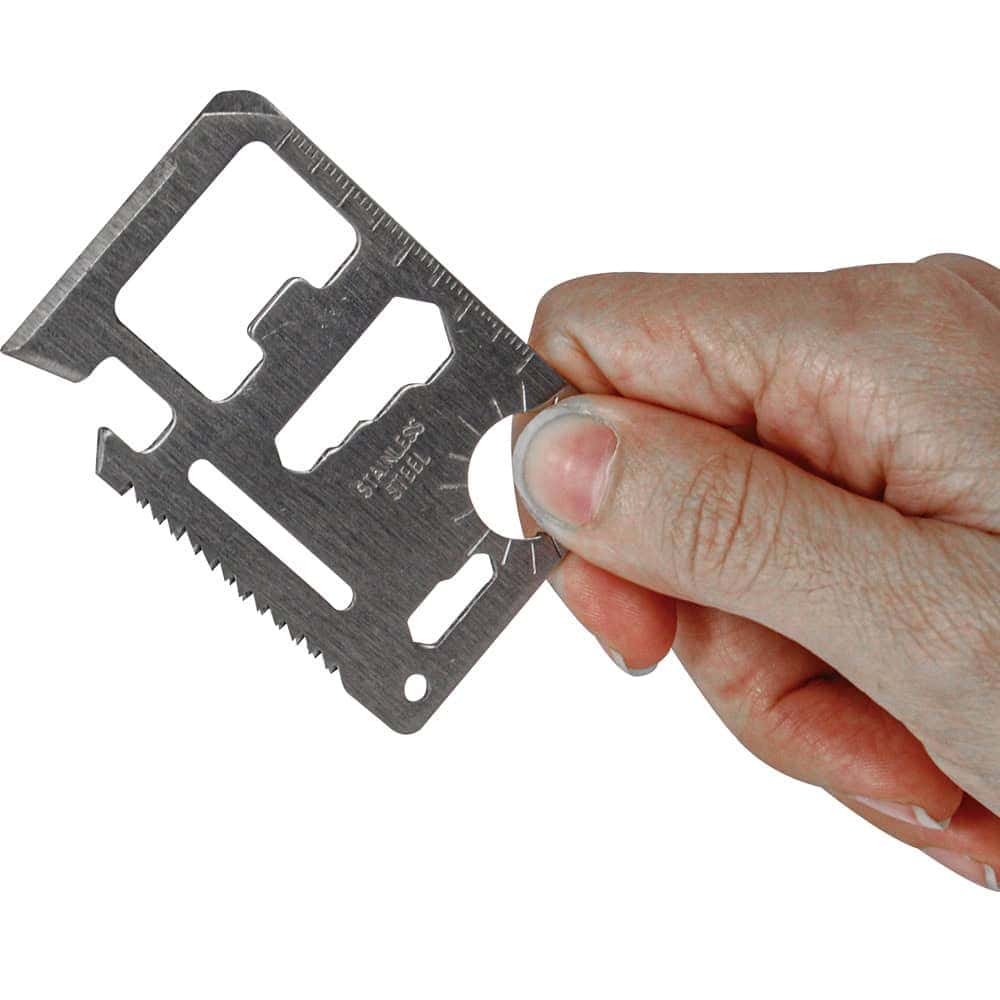
Easy maintenance. A working knife needs sharpening occasionally. Any of the folding knives here take a standard pocket sharpener. The multi-function survival card is more of a backup utility tool — it won’t replace a dedicated folder for regular use, but it’s genuinely useful to have in your wallet.
How to Carry an EDC Knife Day to Day
Pocket clip is the standard carry method. Most folding knives come with a clip that sits at the top of your pocket. The knife is accessible, secure, and doesn’t rattle around with your change. A few people prefer a pouch on their belt — either works, but pocket clip is the most common for good reason.
Carry it tip-up or tip-down based on preference. Some clips are reversible. Tip-up carry puts the blade tip pointing up in your pocket, which some find quicker to draw. Tip-down is more common and feels more secure to others. Try both and see which feels natural.
Know the blade length rules where you go. Most everyday use doesn’t raise any questions, but if you travel between states or cities regularly, it’s worth knowing the basics. Our Laws & Restrictions page at https://stunmaster.com/law-and-restrictions/ has a helpful overview.
Keep it sharp. A sharp knife is safer than a dull one. A dull blade requires more force, which means less control. A few passes on a pocket sharpener every couple of weeks keeps any of these working well. If you use your EDC knife daily, sharpen monthly.
Frequently Asked Questions
A: Most EDC users land in the 3–4 inch range. It’s long enough to be genuinely useful for everyday tasks and short enough to stay under most state blade length restrictions. If you’re not sure what the limit is in your area, check our Laws & Restrictions page at https://stunmaster.com/law-and-restrictions/ — blade length rules vary more than people expect between states and even cities.
A: No, and this distinction matters legally. An automatic knife deploys entirely on its own when you press a button or switch. An assisted-open knife requires you to start the opening motion with your thumb — the spring then completes it. Most jurisdictions that restrict automatics do not restrict assisted-open folders. The knives on this page are assisted-open, not automatic.
A: Generally yes, with some conditions. Most states allow folding pocket knives under a certain blade length without restriction. A handful of cities and states have stricter rules. See our Laws & Restrictions page at https://stunmaster.com/law-and-restrictions/ for a general overview — and worth a quick check if you carry in multiple states or commute across state lines regularly.
A: A multi-tool has more functions but is bulkier and slower to access any single tool. A dedicated folding knife opens faster, holds a better edge, and is more comfortable to use for the cutting tasks you do most. Many people carry both — a slim EDC folder in the pocket and a multi-tool in a bag. The Multi-Function Survival Business Card is a good wallet option if you want a few backup tools without a separate pouch.
A: Depends on how much you use it and what you’re cutting. Light use — opening packages, cutting tape — might only need sharpening every few months. Regular daily cutting tasks might call for a touch-up every few weeks. A basic pocket sharpener costs a few dollars and takes 30 seconds. If your knife feels like it’s tearing rather than cutting, it’s time.
Not Sure Which Everyday Carry Knife Is the Right Fit?
Give us a call at 800-859-5566 — we can help you narrow it down based on how you carry and what you'll use it for.
Shop All Knives