Door and Window Alarms for Sleepwalkers
Most sleepwalking episodes end harmlessly — but “most” isn’t the same as “all.” People who sleepwalk can open doors, go outside, and end up in genuinely dangerous situations before anyone realizes what’s happening. A door alarm won’t stop someone from getting up, but it will wake the household the moment they reach an exit. For families dealing with a sleepwalking child or adult, that alert can be enough to intervene safely before things go sideways.
Our Top Picks for Sleepwalking Safety
What to Look for in a Door Alarm for Sleepwalking
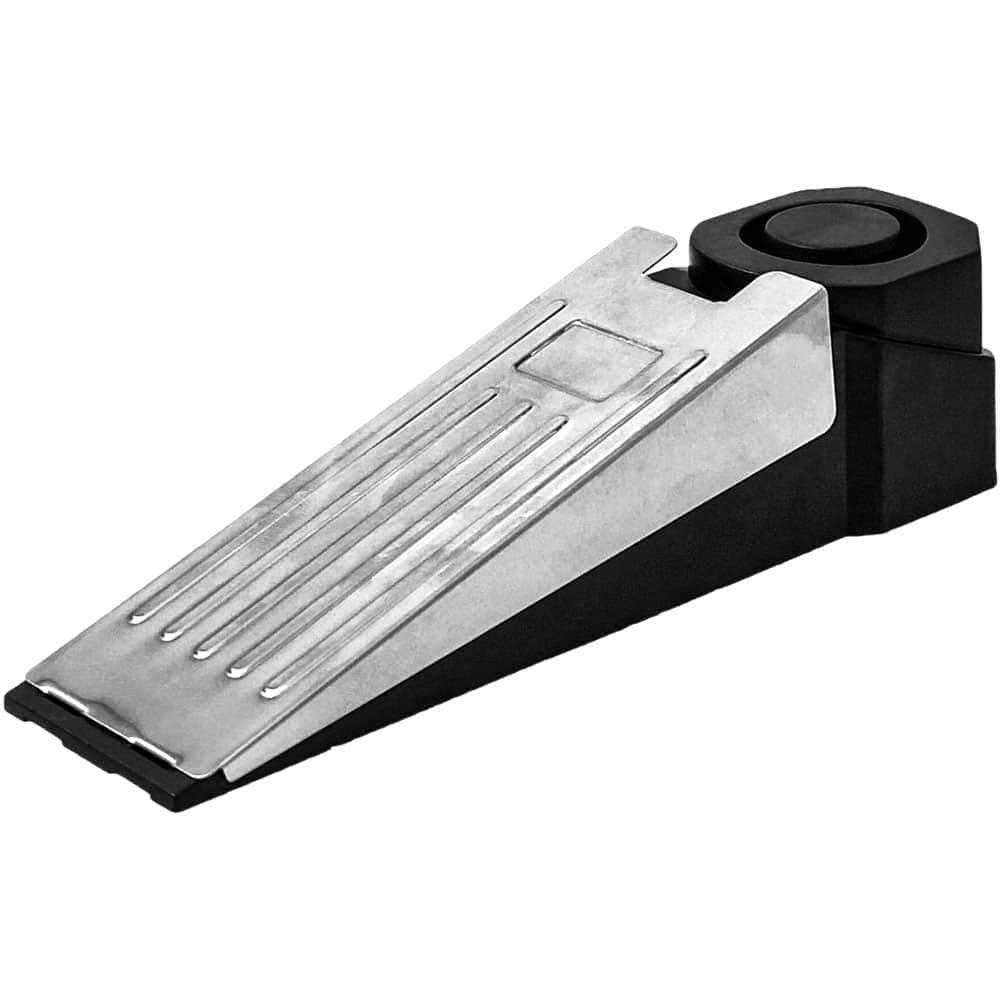
Volume that can wake a sleeping household. The person sleepwalking won’t hear the alarm — you need it loud enough to wake someone else in the house. Units rated 90dB and above are the minimum; the Door Stop Alarm at 120dB is the loudest option here and gives the best chance of waking a caregiver in another room.
Immediate trigger with no delay. Home security systems often have a 30-second entry delay. That’s useless for sleepwalking — you need the alarm to go off the instant the door opens, not after a countdown. Every alarm on this list triggers immediately.
Physical resistance helps. The Door Stop Alarm and Portable Door Guard don’t just alert — they make the door harder to open. A sleepwalker who encounters resistance often pauses or turns around before the situation escalates. That physical barrier adds a useful second layer beyond the audio alert.
Portable for travel use. Sleepwalking in an unfamiliar hotel room or vacation rental is particularly risky. The Portable Door Guard 98dB Alarm is designed exactly for this — it goes in a bag and sets up under any door in seconds, no adhesive or installation needed.
Battery-powered, always-on reliability. You don’t want to plug this in and wonder if the outlet is live. Battery units are always ready. Check the batteries every couple of months — set a reminder if you need to.
How to Use Door Alarms Effectively for Sleepwalking Households
Start with the most common exit. Most sleepwalkers follow familiar patterns — usually the front door or the nearest exit from their bedroom. Start there and expand coverage if you notice other patterns.
Position the alarm where the sound carries. If the primary caregiver sleeps upstairs, place the loudest alarm at the bottom of the stairs or at the exterior door. Test it from your bedroom before relying on it — you need to actually hear it when you’re asleep.
Never lock a sleepwalker in their room. This is a safety hazard in a fire emergency. Door alarms are the right tool — they alert without trapping. Keep exit routes accessible; just make sure you know the moment someone uses them.
Pack the Portable Door Guard for travel. Hotels and vacation rentals don’t have the same setup as home. The Portable Door Guard takes thirty seconds to set up, fits in any bag, and gives you coverage in an unfamiliar place without leaving marks or requiring installation.
Frequently Asked Questions
A: Sometimes, but not always. Sleepwalkers can be difficult to rouse, and the goal of the alarm is primarily to alert other household members. That said, a 120dB alarm like the Door Stop Alarm is genuinely startling and may cause a sleepwalker to pause, turn around, or wake partially. Either outcome — waking or alerting a caregiver — is a useful result.
A: The old advice against waking sleepwalkers is largely outdated. Waking a sleepwalker can cause brief confusion, but there’s no evidence it’s harmful. The real priority is safety — if someone is heading toward stairs, a door, or outside, a loud alarm that startles them awake is far preferable to letting the episode continue unsupervised.
A: Yes — door and window alarms for home use are legal in all 50 states and require no permits. They’re personal safety devices, not monitored systems. For more general information about device laws, visit our Laws & Restrictions page at https://stunmaster.com/law-and-restrictions/.
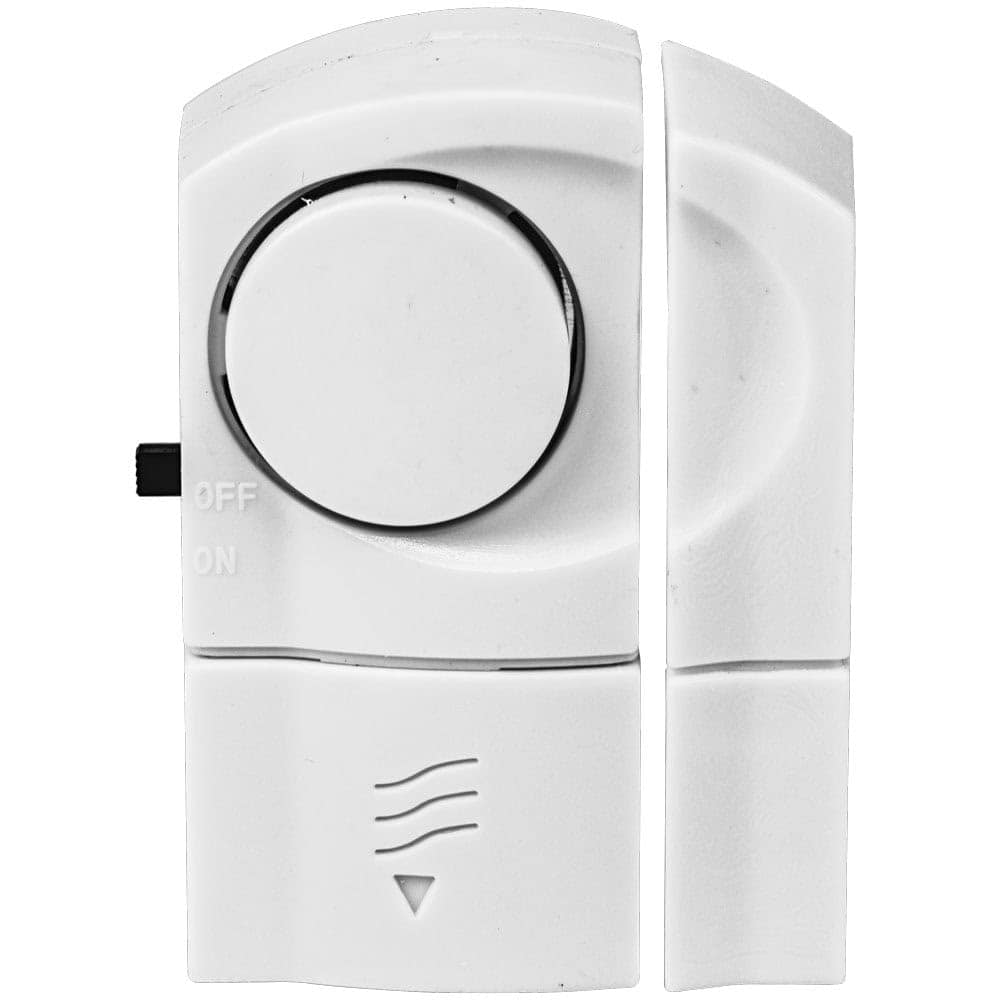
A: Locking a sleepwalker in their room is generally a bad idea — it’s a fire safety hazard and can cause panic if they wake disoriented. Door alarms on exits are the better solution. They don’t restrict movement inside the home but alert you the moment someone reaches an exterior door or window. The 90db Magnetic Door/Window Alarm 2 Pack covers two exits for about thirteen dollars.
A: The Portable Door Guard 98dB Alarm with Flashlight is specifically designed for travel use. It requires no installation — just wedge it under the hotel room door before bed. It’s compact enough to fit in a toiletry bag and works on any inward-opening door. No adhesive, no damage to the room, no checkout hassle.
Have Questions About the Best Setup for Your Household?
Give us a call at 800-859-5566 — we're happy to talk through what makes sense for your situation.
Shop All Door & Window Alarms