


Safety Technology Keychain Personal Alarm with Flashlight – 130dB Siren, Pull-Pin or Button Activation, 2 AAA Batteries Included, Blue, 3″ x 1″
$10.00
Buy with Confidence
Covered by a 30-Day Money Back Guarantee. If it's not right for you, returns are easy and hassle-free.

Secure checkout • 100% Satisfaction Guaranteed • 30 Day Money Back Guarantee • Easy Returns • Fast Customer Support
It clips on your keys and does two things: sounds a 130dB alarm when you need it, and works as a small flashlight when you don’t. The pull-pin activation means you don’t have to find a button in a hurry — just grab and pull. Two AAA batteries are included and it’s ready to go. At three inches long, it adds almost nothing to a keychain but gives you a real alarm and a functional light in one piece.
- 130dB alarm — loud enough to be heard from a significant distance and draw immediate attention
- Two activation methods — pull the pin for instant activation, or press the button on top
- Built-in flashlight — usable independently without activating the alarm
- Keyring included — attaches directly to your existing keys or bag
- 2 AAA batteries included — ready to use immediately, no charge time needed
Loud, Simple, and Always With You
The best personal alarm is the one that’s actually on you when something happens. This one attaches to your keys, which means if you have your keys, you have the alarm. That’s the whole logic, and it’s good logic. At 3 inches and 0.17 lbs, it doesn’t bulk up a keychain noticeably — it just sits there until you need it.
The 130dB output is serious. That’s louder than most car alarms and significantly louder than someone can shout. In a parking lot, a trail, or a quiet neighborhood at night, 130dB carries a long way and draws attention fast.
Who This Keychain Alarm Is For
People who walk to their car alone at night — which is a lot of people. Nurses leaving hospital parking structures at 2am, office workers in downtown garages, college students walking back to their dorms. The keychain alarm lives on the keys they already have in their hand, so there’s no extra step to accessing it.
Runners and walkers who cover distance alone are a natural fit. The pull-pin design works whether you’re jogging and your hands are moving or you’re stationary and reaching for it. Either way, it activates immediately with a pull motion.
Parents who want their kids to carry something sensible often land on personal alarms — they’re legal everywhere, simple to use, and don’t require any training. A keychain alarm on a teenager’s bag is a practical call that most parents feel good about.
Is This the Right Choice for You?
Choose this Keychain Alarm if you want:
- Something you’ll always have on you because it lives on your keys
- Dual activation — pull-pin for urgent situations, button press for controlled use
- A legal, no-training-required option that works anywhere
Consider something else if you need:
- A longer-range deterrent — personal alarms draw attention but don’t stop someone at a distance the way pepper spray can
- A rechargeable option — this runs on replaceable AAA batteries, which is fine for most people but not everyone
How It Works
Two ways to set it off. The pull-pin is the primary activation — attached to the keyring, so pulling the device away from the keys triggers the alarm. This design is useful because the motion of grabbing the device and pulling is instinctive. You don’t have to locate a specific button. The separate alarm button on top gives you a controlled option for situations where you want to trigger the alarm deliberately without the pull motion.
The flashlight function works independently — you can use it to light a dark parking lot, find your door lock, or check something at night without activating the alarm at all. That makes it a genuinely useful everyday carry item, not just an emergency device. Flashlights that live on your keys get used. Devices that only come out in emergencies sometimes don’t make it onto the keychain at all.
The 130dB output is loud enough that even people who’ve tested it once tend to be surprised. In an open area, that sound carries hundreds of feet. In an enclosed space like a parking structure or a stairwell, it’s even more effective at drawing attention.
Quick Comparison: How Does the Keychain Alarm Stack Up?
| Feature | Keychain Alarm w/ Light | Pepper Spray | Stun Gun | Whistle |
|---|---|---|---|---|
| Volume / Range | 130dB ✓ | N/A | N/A | ~100dB |
| Legal Everywhere | Yes ✓ | Most states ✓ | Most states | Yes ✓ |
| Training Needed | None ✓ | Minimal | Minimal | None ✓ |
| Flashlight Included | Yes ✓ | No | Sometimes | No |
| Keychain Carry | Yes ✓ | Some models ✓ | Some models | Yes ✓ |
| Best For | Drawing attention, everyday carry | Active deterrent | Close-contact deterrent | Low-tech backup |
Practical Details
Measures 3″ x 1″ and weighs 0.17 lbs. Color is blue. Runs on 2 AAA batteries, which are included. Comes with a keyring for direct attachment to keys or a bag. Manufactured by Safety Technology. No charge time — batteries go in and it’s ready. Replace AAA batteries as needed; they’re available everywhere.
At ten bucks with batteries included, it’s hard to find a reason not to have one on your keychain. Works for anyone who’s on their feet alone at any point in their day — which is most people.
Frequently Asked Questions
How do you turn the alarm off once it’s activated?
To stop the alarm, reinsert the pull-pin back into the device. The alarm runs as long as the pin is removed, so putting it back in cuts the sound immediately. It’s worth practicing this once when you first get it so the motion is familiar. The button activation can typically be deactivated by pressing the button again — check the included instructions for the specific sequence on your unit.
How long do the AAA batteries last?
In standby mode — just sitting on your keychain — the batteries last a very long time, often a year or more. The alarm draws significant power when it’s actively sounding, but short activations use minimal battery. For everyday carry where the alarm is only tested occasionally and rarely triggered, you’re looking at years of reliable standby life from a standard set of AAAs.
Is 130dB actually that loud?
130dB is genuinely very loud — comparable to a jackhammer at close range or a jet engine at distance. It’s loud enough to be uncomfortable for someone standing near it and audible from a considerable distance outdoors. In a parking structure, stairwell, or similar enclosed space, the effect is amplified significantly. Most people who test it once are surprised by how much sound comes out of something this small.
Can my kid carry this at school?
Personal alarms are generally permitted in schools and public spaces where other self-defense tools are not — there are no legal restrictions on noise-making devices in most jurisdictions. That said, school policies vary, and some schools have rules about any alarm-type devices. It’s worth checking your specific school’s policy. For campus carry at a college or university, personal alarms are widely accepted and often recommended by campus safety offices.
| Manufacturer | Safety Technology |
|---|---|
| Decibles | 130 db |
| Battery | 2 AAA |
| Color | Blue |
| Included | Keyring |
| Weight | 0.17 lbs |
| Dimensions | 3" x 1" |
Additional information
Related products
-
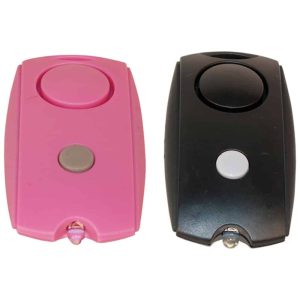
Stun Master Mini Personal Alarm with LED Flashlight and Belt Clip 120dB – Keychain or Pocket Carry, 3 LR44 Batteries Included, Black or Pink, 3 x 1.5 x 0.5 Inches
$8.95 Select options This product has multiple variants. The options may be chosen on the product page -

Lipstick Personal Alarm 90dB – Discreet Tube Design, Pull-Up Activation, 3¼ Inch, 0.2 lbs, Batteries Included, Available in Pink and Black
$12.95 Select options This product has multiple variants. The options may be chosen on the product page -
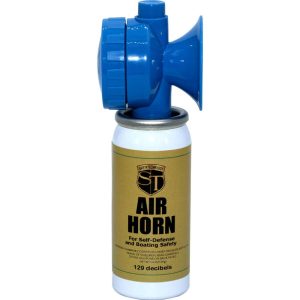
Safety Technology 129dB Compact Air Horn – Meets US Coast Guard Requirements for Boats Up to 65 Feet, Fits in Hand, Outdoor Safety Signal, Self-Defense Use, 5⅛” x 1¾”, 0.3 lbs
$14.95 Add to cart -
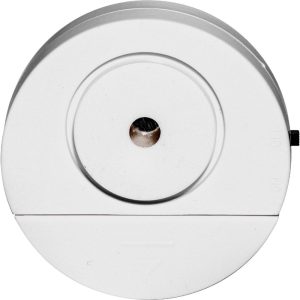
Safety Technology Glass Break Alarm 100dB – Vibration Sensor, 30-Second Siren, Adhesive Mount, 2 Pack, Battery Included, Home and Business Window Security
$15.00 Add to cart